
An hour when you don't have to be in control
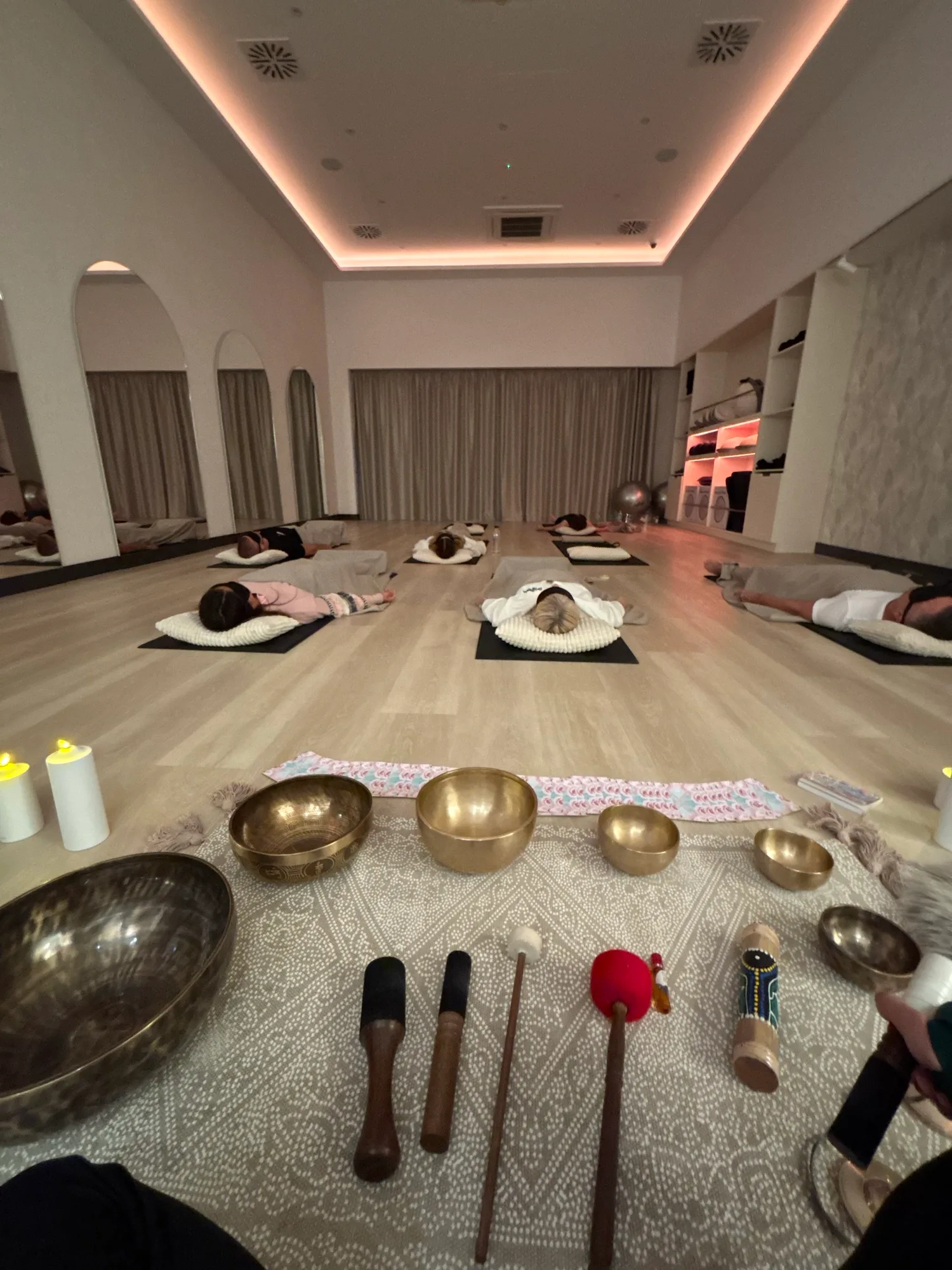
Singing bowl therapy, also known as a sound bath, is one of the simplest and most ancient tools for physical and mental regeneration. The vibrations of Tibetan singing bowls, gong and bells fill the room and your body while you simply lie, breathe and listen. No movement, no performance, nothing to get wrong.
At The Club in Törökbálint, ten minutes from the edge of Budapest, the sound bath takes place in the club's calm studio, on mats, under blankets, by candlelight. The ideal way to end a workout, a padel match or a long working week.
Three steps to deep relaxation
You settle comfortably on the mat with a blanket. A few minutes of conscious breathing help you put down whatever you brought with you.
The therapist plays the singing bowls, gong and bells around you, sometimes on your body. You feel the vibrations, not just hear them.
The sounds fade and the silence remains. Slowly, at your own pace, you return rested and clear-headed.
What does regular sound bath therapy give you?
A sound bath switches on the parasympathetic nervous system, the mode responsible for rest and regeneration. Breathing slows, the pulse drops and the vagus nerve takes a greater role.
An hour when the nervous system can rest too. Many people feel lighter after their very first session.
After regular attendance, participants often report better, deeper sleep.
Stressful situations become easier to handle and feelings of anxiety ease.
Focusing on the vibrations brings attention back into the body, from thoughts into the present.
The perfect cool-down after padel, HYROX or pilates: muscles and nervous system relax at the same time.
No flexibility, fitness or experience needed. Just lie down and listen.
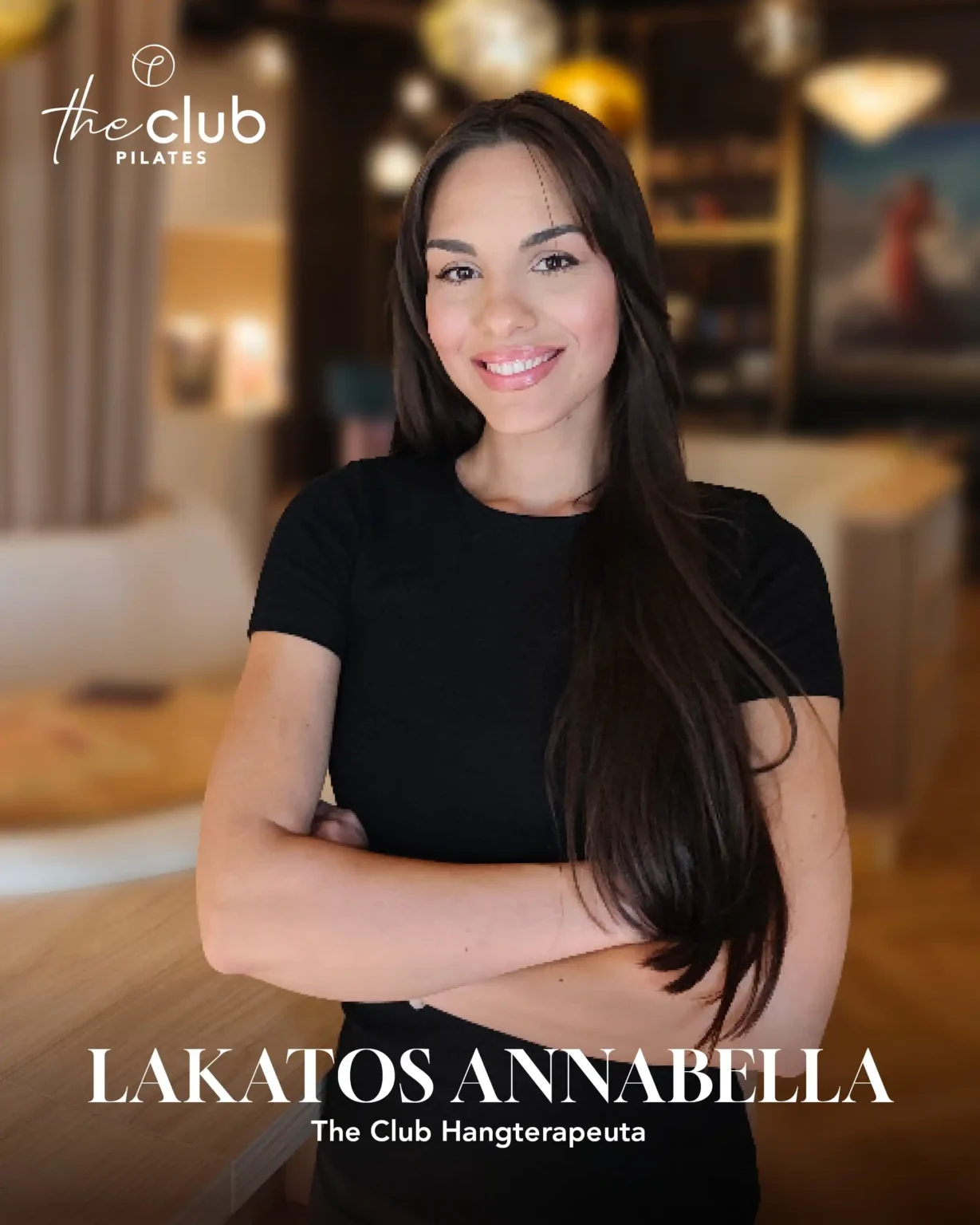
Lakatos Annabella
“I see sound therapy as a tool for physical and mental regeneration. I work with singing bowls, meditation and conscious breathing to help people release stress, relax more deeply and connect with their bodies. The aim of the sessions is to create a space, alongside constant activity, where the nervous system can rest too.”
“If you're curious what it feels like when, for once, you don't have to be in control of everything, I'd love to see you at my next session.”
What's worth knowing about sound baths
What happens at a sound bath?
You lie comfortably on a mat with a blanket, eyes closed. The therapist plays Tibetan singing bowls, gong and bells around and on you; your body feels the vibrations, not just hears them. The session starts with a short breathing exercise and ends with a quiet return.
Do I need experience or flexibility?
No. There's no movement, no poses and no performance in a sound bath. You only need to lie down and pay attention, so anyone can take part, regardless of age or fitness.
What should I bring?
Comfortable, loose clothes and thick socks. Mats, pillows and blankets are provided by The Club. It's best not to eat a heavy meal within an hour of the session, and to allow time afterwards to come back to the world.
Who is it not recommended for?
If you have a pacemaker or epilepsy, have recently had surgery or are in the first trimester of pregnancy, we recommend checking with your doctor first. If in doubt, call Annabella before the session.
How long does it take, and how much does it cost?
A group sound bath lasts about 60 minutes. Current times and prices are in The Club app and the timetable; individual sessions can be arranged directly with the therapist.
Reserve your place at the next sound bath
Group sound bath times are in the timetable and The Club app, which you can download from the App Store or Google Play. For an individual session, book directly with Annabella.